
Japanese food storage jars, crafted from glass, are more than just containers; they embody a rich cultural heritage and a meticulous approach to food preservation. These meticulously designed vessels, ranging from delicate, traditional shapes to modern interpretations, showcase a deep-seated respect for quality ingredients and careful storage techniques. Their enduring appeal lies in the interplay of aesthetics, practicality, and cultural significance.
From the intricate designs on traditional pieces to the modern adaptations, these glass jars offer a captivating glimpse into Japanese artistry and culinary practices. Understanding their history, materials, and usage reveals a holistic appreciation for the art of preserving food.
Overview of Japanese Food Storage Jars (Glass)
Traditional Japanese food storage jars, known as
- koro*,
- tsukubai*, or
- tsubo*, are more than just containers; they represent a rich tapestry of craftsmanship, cultural significance, and culinary tradition. These glass jars, meticulously crafted, played a vital role in preserving food and reflecting the aesthetic sensibilities of the time. Their enduring appeal lies not only in their functional utility but also in their intricate design and historical context.
These jars, beyond their practical application, embodied a deep-seated appreciation for aesthetics and the preservation of culinary heritage. Their presence in Japanese homes and kitchens underscored a strong connection to the natural world and the seasonal bounty it provided. The evolution of these jars reflects not just technological advancements in glassmaking but also shifts in societal values and the evolving culinary landscape of Japan.
Types of Glass Jars
Various types of glass jars, each with distinct characteristics, emerged over time. The selection depended on the intended use, the type of food being stored, and the desired aesthetic appeal. Variations in shape, size, and material created a diverse array of storage solutions.
- Koro jars, often characterized by their rounded shapes and slightly tapered tops, were commonly used for storing rice, miso, and other grains. Their wide openings facilitated easy access to contents, while their sturdy construction ensured long-term preservation. Examples include the
-koro* jars found in old Japanese homes, which often featured intricate designs or simple, unadorned surfaces. - Tsukubai jars, typically taller and narrower than
-koro* jars, were used to store vegetables, pickles, and other preserved foods. Their slender shapes, often with a distinct base, were designed for efficient storage in limited spaces. They often showcase more intricate details, such as decorative patterns or embossed designs, further highlighting their aesthetic significance. - Tsubo jars, frequently larger and more robust, were ideal for storing larger quantities of food, such as dried fish, soybeans, or seasonal vegetables. Their substantial construction and wide openings facilitated bulk storage. Examples can be seen in rural Japanese communities, where these jars played a critical role in preserving food for the winter months.
Historical and Cultural Significance
These jars played a significant role in preserving food and maintaining a sustainable lifestyle in Japan. Their importance stemmed from the need to manage food resources throughout the year. Their intricate designs often reflected the seasonality of the food they held and the aesthetic sensibilities of the period. These were not mere storage vessels; they were integral parts of Japanese culinary and cultural heritage.
- These jars are frequently found in traditional Japanese homes and museums, showcasing the craftsmanship and aesthetic sensibilities of the past. Their presence in everyday life highlighted the importance of preserving food for future use.
- The meticulous crafting of these jars reflects the Japanese appreciation for detail and aesthetics. The careful selection of materials and the meticulous execution of designs reflected the importance placed on quality and functionality. This focus on detail extends beyond the jars themselves, emphasizing the significance of preserving culinary traditions and craftsmanship.
Craftsmanship and Design
The craftsmanship of these jars often incorporated intricate designs, decorative patterns, or subtle color variations. The design elements were not merely decorative; they often reflected the seasonality of the food stored within or served as a subtle reminder of the natural world. These details often reflect a deep-seated appreciation for aesthetics and the environment.
- The selection of materials, such as the specific type of glass used, impacted the jars’ durability, translucence, and overall aesthetic. The color of the glass and the presence of any decorations further enriched the visual appeal and historical context of the jar.
- The shapes and sizes of these jars were carefully considered, often tailored to specific food types and storage needs. The choice of shape and size emphasized practicality and efficiency in food preservation. This consideration of form and function underscores the intricate relationship between design and daily life in traditional Japanese society.
Materials and Construction
Japanese food storage jars, prized for their aesthetic appeal and practicality, are meticulously crafted from a variety of glass types, each chosen for specific qualities. The selection of materials directly impacts the jar’s durability, safety, and longevity in preserving food. Understanding these components provides insight into the enduring popularity of these containers.The careful selection of glass types, manufacturing processes, and sealing mechanisms contribute to the superior quality and safety of these storage jars.
This approach ensures the preservation of food while minimizing potential risks.
Glass Types
Different glass types are chosen for Japanese food storage jars based on their thermal properties, chemical resistance, and aesthetic considerations. Borosilicate glass, known for its exceptional thermal shock resistance, is frequently used. This characteristic allows the jars to withstand temperature fluctuations without cracking or breaking, making them suitable for storing hot or cold foods. Soda-lime glass, while less expensive, is also employed, particularly for simpler designs.
The choice between borosilicate and soda-lime often hinges on the specific application and desired cost-benefit ratio.
Manufacturing Processes
The manufacturing processes for these jars are highly standardized, ensuring consistent quality and safety. These processes involve precise steps from initial shaping to final finishing. High-temperature furnaces are employed for melting and shaping the glass, followed by meticulous grinding and polishing to achieve a smooth, flawless finish. Advanced techniques, such as precision molding and automated assembly, are increasingly integrated into the manufacturing process to guarantee uniform thickness and dimensional accuracy across batches.
Safety and Durability Features
Safety and durability are paramount in the design and production of these jars. The glass composition, carefully formulated to resist chemical reactions with food, plays a crucial role in food safety. Thicker glass walls, strategically reinforced with appropriate structural supports, enhance the jar’s durability, mitigating the risk of breakage. The jars are often designed with rounded edges to reduce the potential for sharp edges, increasing user safety during handling.
Lids and Sealing Methods
The sealing mechanisms are critical to preserving the quality and safety of food stored within the jars. Typically, airtight lids are employed, often made of a food-grade material like stainless steel or glass, which ensures that no air can enter or escape. Silicone or rubber gaskets are commonly used in the lid-jar interface to create a perfect seal, preventing the entry of contaminants and maintaining freshness.
Modern jars frequently incorporate airtight, vacuum-tight sealing mechanisms to further prevent the spoilage of stored food items.
Cleaning and Maintenance
Maintaining the integrity of these jars is crucial for their longevity and continued safe use. Cleaning instructions often recommend hand-washing with mild soap and warm water, followed by thorough rinsing to eliminate any residue. Harsh chemicals or abrasive materials should be avoided to prevent scratching or damage to the glass surface. Proper drying is equally important, preventing the buildup of moisture, which could lead to mold or mildew growth.
Styles and Designs
Beyond their practical utility, Japanese food storage jars possess a rich tapestry of styles and designs reflecting cultural aesthetics and evolving tastes. These vessels, often more than mere containers, serve as decorative elements within the home, contributing to the overall ambiance. Their forms and embellishments speak volumes about the history and artistry of Japanese craftsmanship.Japanese food storage jars embody a harmonious blend of function and form, showcasing a spectrum of styles ranging from traditional to contemporary.
The evolution of these designs reflects the changing needs and preferences of Japanese households, while maintaining a deep connection to the nation’s artistic heritage.
Different Styles of Jars
Japanese food storage jars are categorized by a variety of styles, each suited to specific types of food and aesthetic preferences. Understanding these styles allows one to appreciate the nuanced approach to storage and presentation in Japanese kitchens.
| Name | Shape | Size | Intended Use |
|---|---|---|---|
| Tsukuri-mono | Typically round or slightly tapered | Various sizes, from small to large | Storing a variety of foods, including rice, vegetables, and pickled items. |
| Hachijo | Wide, flat base, often with a slightly flared top | Usually large | Excellent for storing larger quantities of ingredients, such as dried beans or grains. |
| Sato-mono | Tall, cylindrical shape | Small to medium | Ideal for storing smaller items like sugar, spices, or dried fruit. |
| Fude-mono | Small, cylindrical with a pointed top | Small | Primarily used for storing small quantities of spices or condiments. |
Comparison of Modern and Traditional Styles
The aesthetic characteristics of modern and traditional Japanese food storage jars highlight the shift in design trends.
| Characteristic | Traditional Style | Modern Style |
|---|---|---|
| Shape | Often incorporates organic, flowing lines, reflecting natural forms. | May feature geometric shapes or sleek, minimalist designs. |
| Color | Frequently earthen tones or natural colors, like brown, gray, and beige. | May incorporate a wider range of colors, including vibrant hues and metallic finishes. |
| Decoration | Often adorned with intricate patterns, symbols, or hand-painted motifs reflecting traditional Japanese art forms (e.g., kintsugi). | Emphasis on clean lines, simple designs, or subtle accents, possibly utilizing contemporary glazing techniques. |
| Material | Primarily made of high-quality glass, sometimes with a delicate, hand-blown finish. | Can use glass or other durable materials like ceramic, often with advanced production techniques for strength and design. |
Unique Decorative Elements
Certain jars incorporate distinctive decorative elements, enhancing their aesthetic appeal and cultural significance. These features often speak to specific historical periods or regional traditions.
- Kintsugi, or “golden repair,” is a traditional Japanese art form of repairing broken pottery with lacquer dusted with gold or other precious metals. This technique is sometimes incorporated into the jars’ design or repair process, emphasizing the value of imperfection and the beauty of repair.
- Maeku, or “mackerel” patterns, are often found on jars, reflecting Japanese artistic sensibilities and traditional aesthetics.
- The use of intricate, hand-painted designs or embossed patterns adds depth and personality to the jars.
Jar Styles for Different Food Types
The selection of jar style directly correlates with the intended food storage. The form, size, and material all contribute to preserving the food’s quality and aesthetic appeal.
- For delicate items like pickles or vegetables, specific jars with airtight seals and appropriate shapes might be preferred.
- For dry goods like rice or grains, jars with wider openings and sturdy construction are favored to allow for easy access and prevent spills.
- Storage jars for condiments or spices often have small sizes and tightly sealing lids to maintain the quality and freshness of the contents.
Storage and Preservation Methods
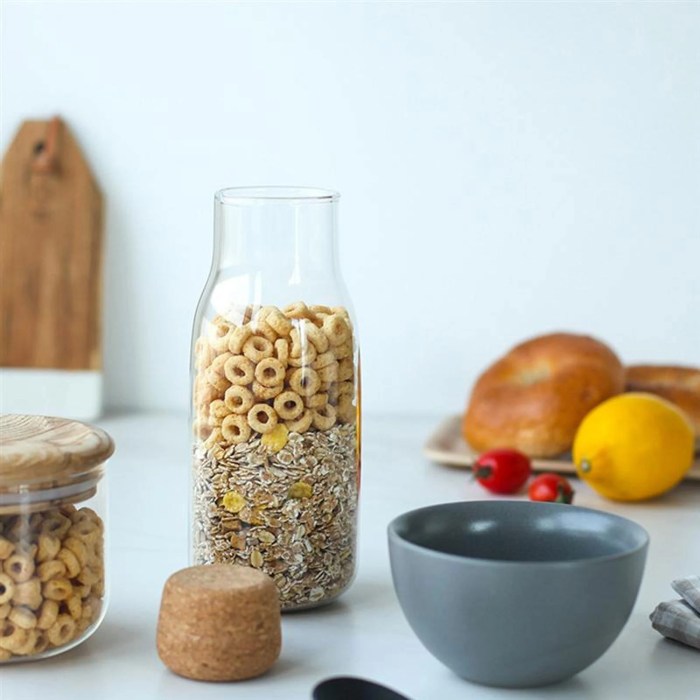
Traditional Japanese food preservation methods, often intertwined with the aesthetic appeal of the jars, showcase a deep understanding of food science. These methods, honed over centuries, have proven remarkably effective in extending the lifespan of ingredients, maintaining their nutritional value, and preserving culinary traditions. Modern techniques, coupled with the durability of the glass jars, offer even more nuanced approaches to food preservation, allowing for a broader spectrum of culinary preservation.These storage solutions, far from being mere containers, are integral to the cultural tapestry of Japanese cuisine.
They represent a symbiotic relationship between food, craft, and preservation. Understanding these methods allows for a more comprehensive appreciation of the role these jars play in sustaining Japanese culinary heritage and innovation.
Traditional Japanese Preservation Techniques
Traditional Japanese methods prioritized seasonal harvests and maximizing the use of natural resources. Salting, pickling, fermentation, and drying were common techniques, often combined for optimal results. These processes not only preserved food but also enhanced its flavor profile. The jars, with their airtight seals, played a crucial role in preventing spoilage and maintaining the integrity of the food.
For example, meticulously crafted pickled vegetables (tsukemono) are a testament to the effectiveness of these methods.
Modern Food Preservation Techniques
Modern food preservation techniques, such as vacuum sealing and freezing, can be effectively combined with glass jars. Vacuum sealing removes oxygen, a key component in bacterial growth, thereby extending shelf life. Freezing halts microbial activity and preserves the original texture and flavor. Using these techniques in conjunction with the airtight seal of the jars can result in significant preservation.
For example, commercially available vacuum sealing systems can be used with the jars to effectively preserve various food items, including herbs, vegetables, and even cooked meals.
Ensuring Food Safety During Storage
Proper food safety is paramount when storing food in any container, including these glass jars. Thorough cleaning and sterilization of the jars and lids are essential to eliminate any potential contaminants. The airtight seal of the jars is vital to maintaining food safety. Proper handling of ingredients and adherence to safe food preparation guidelines before storage is crucial.
These practices are critical to preventing bacterial growth and preserving food quality. For instance, thoroughly washing and blanching vegetables before storing them significantly reduces the risk of spoilage.
Impact of Jar Design on Preservation
The design of the jar significantly influences the food’s preservation. The shape, material, and sealing mechanism all contribute to the overall effectiveness of the storage method. Wide-mouthed jars are often preferred for pickling and fermentation, as they facilitate easy access to the contents and thorough mixing. A robust and consistent seal is paramount to prevent air infiltration and maintain the integrity of the food’s environment.
Heavier-duty jars are typically better suited for long-term storage, especially for items that undergo significant changes during the preservation process. This is demonstrated in the different styles of storage jars available, each designed for specific preservation methods and types of food.
Uses and Applications
Japanese food storage jars, crafted from durable glass, offer a practical and aesthetically pleasing solution for modern kitchens. Beyond their traditional roles, these versatile containers have found new applications, blending seamlessly with contemporary culinary practices. Their airtight seals and attractive designs allow for both preservation and presentation of food.These jars transcend simple storage, facilitating organized kitchens and enhanced food preservation.
Their diverse applications cater to various dietary needs and preferences, from long-term storage to short-term preservation. The transparent nature of the glass allows for easy monitoring of contents, while their reusable nature contributes to sustainability.
Typical Foods Stored
The wide range of food suitable for storage in these jars highlights their versatility. These containers are ideal for a variety of food types, each benefiting from the jars’ airtight seal and protection against moisture and air. Rice, miso, pickles, sauces, and various preserved vegetables are common choices.
- Dry Goods: Rice, beans, lentils, and grains are excellent candidates for long-term storage. The airtight seal prevents moisture absorption, maintaining the quality and preventing spoilage. Properly stored, these ingredients remain fresh for extended periods.
- Pickles and Fermented Foods: Pickled vegetables and fermented items like kimchi and sauerkraut thrive in these jars. The jars’ airtight seal helps maintain the ideal environment for fermentation and prevents unwanted bacteria growth.
- Condiments and Sauces: These jars are excellent for storing homemade sauces, chutneys, and pastes. The seal preserves the flavor and freshness of these ingredients, ensuring they remain palatable and safe for use.
- Prepared Foods: Leftovers, soups, stews, and other prepared dishes can be stored in these jars for reheating and consumption later. The jars’ ability to maintain freshness and prevent contamination is crucial for this application.
Modern Kitchen Applications
These jars have transitioned beyond traditional use cases, becoming more integral parts of contemporary kitchens. Their transparent nature allows for easy identification of contents, promoting organization and reducing clutter. The design versatility enables them to integrate seamlessly into both traditional and modern kitchen aesthetics.
- Organization and Display: The jars’ clear design facilitates easy identification of ingredients, enhancing kitchen organization. Their attractive appearance allows them to be displayed on countertops or shelves as decorative elements.
- Meal Preparation and Storage: These jars are ideal for portioning and storing prepared meals, ensuring that leftovers are preserved safely and efficiently. The jars’ compact design also aids in optimizing space in the refrigerator or pantry.
- Food Preservation: The jars’ airtight seal and heat resistance allow for extended food preservation. This is particularly beneficial for storing homemade pickles, jams, and other preserved foods, ensuring longer shelf life.
Comparison with Other Storage Methods
Compared to other food storage methods, these jars offer unique advantages. Their airtight seal, often combined with a high-quality, heat-resistant glass, significantly enhances the preservation of food items, compared to plastic containers or open storage.
| Storage Method | Advantages | Disadvantages |
|---|---|---|
| Glass Jars | Superior preservation due to airtight seal, often heat-resistant; visually appealing; reusable | Can be heavier or more fragile than some alternatives; may require more space |
| Plastic Containers | Often lighter and less expensive; widely available | Potential for chemical leaching; may not offer the same level of preservation; can be less aesthetically pleasing |
| Open Storage | Easy access to ingredients; low cost | Significant risk of spoilage due to exposure to air and moisture; not ideal for long-term storage |
Best Practices for Storage
Proper storage techniques maximize the lifespan and quality of the stored food items. Maintaining the optimal conditions within the jars is crucial to achieving optimal results.
- Cleanliness: Thorough cleaning of jars and lids before use is essential. This prevents contamination, extending the shelf life of stored items.
- Proper Sealing: Ensuring a tight seal is critical for maintaining the quality and freshness of stored foods. Check for any leaks or gaps before use.
- Storage Temperature: Store items in a cool, dry, and dark place. This minimizes bacterial growth and preserves the flavor and nutritional value of the food.
Care and Maintenance
Japanese food storage jars, prized for their aesthetic appeal and practical functionality, require diligent care to maintain their integrity and ensure food safety. Proper cleaning and maintenance practices are crucial for extending the lifespan of these valuable containers and preventing potential food-borne illnesses. Ignoring these steps can lead to premature deterioration and compromised hygiene, negating the benefits of using these quality jars.Careful handling and consistent cleaning practices are essential for the longevity and safety of these storage jars.
This involves not only maintaining the jars’ pristine condition but also ensuring they remain a safe environment for storing food.
Essential Cleaning and Maintenance Tips
Maintaining the pristine condition of Japanese food storage jars is a key aspect of their long-term usability. A meticulous cleaning routine is essential for preserving their aesthetic value and ensuring food safety. Proper cleaning methods help maintain the quality of the jars and prevent the accumulation of contaminants that could lead to food spoilage or health issues.
- Thorough hand-washing: Use warm, soapy water and a soft sponge or brush to remove food residue and debris. Avoid abrasive cleaners, which can scratch the glass surface, compromising its integrity. Ensure all surfaces, including the lids and seals, are meticulously cleaned.
- Regular rinsing: Rinse the jars thoroughly with clean water to remove any traces of soap residue. This prevents the buildup of soap, which can affect the taste or safety of stored food. This is crucial to maintain the purity of the jars.
- Proper drying: Air-dry the jars completely to prevent water spots and microbial growth. A clean, dry environment is essential for maintaining the integrity of the jars.
Impact of Improper Cleaning on Longevity
Improper cleaning practices can significantly impact the longevity of Japanese food storage jars. Neglecting regular cleaning can lead to the accumulation of food particles, potentially leading to the growth of harmful bacteria and molds. This buildup can create a breeding ground for contaminants, potentially leading to foodborne illness. This will reduce the lifespan of the jars and may affect their aesthetics, ultimately impacting their value.
- Scratches and discoloration: Using abrasive cleaners or scrubbing too vigorously can scratch the glass surface, causing discoloration and compromising the jar’s appearance. This can affect the aesthetic value and make the jars unsuitable for storing certain foods, especially those that are sensitive to light.
- Seal damage: Failure to clean the lids and seals thoroughly can lead to the buildup of food debris, impacting the seal’s effectiveness. This can lead to leaks and contamination, rendering the jars unsuitable for storing food.
- Reduced lifespan: Over time, improper cleaning can result in the deterioration of the jars’ structural integrity. The buildup of contaminants and the potential for chemical reactions from improperly cleaned jars will lead to premature wear and tear.
Sterilization Methods for Food Safety
Sterilizing Japanese food storage jars is critical for ensuring food safety and preventing the growth of harmful microorganisms. This process eliminates any potential contamination and ensures the safety of stored food. Appropriate sterilization procedures are essential to maintaining the quality and safety of the stored food.
- Boiling water method: Immerse the jars (and lids) in boiling water for 10-15 minutes. This ensures that all surfaces are thoroughly sterilized and are ready for use. This method is widely accepted and highly effective.
- Dishwasher use: Some modern dishwashers have high enough temperatures to effectively sterilize glass jars. Check your dishwasher’s specifications to confirm that the temperature is sufficient for sterilization.
- Oven sterilization: Place the jars in a preheated oven at a low temperature (around 170-200°F) for a prolonged period to eliminate harmful bacteria and other microorganisms.
Storing Jars to Prevent Damage
Proper storage practices are essential for preserving the integrity and aesthetic appeal of Japanese food storage jars. Proper storage practices will also prevent accidental damage and maintain their functionality for years to come.
- Avoid stacking: Stacking jars can lead to breakage, especially if they are not properly supported. Store the jars on a flat, stable surface to avoid damage from impacts.
- Protect from extreme temperatures: Sudden temperature changes can cause the jars to crack or shatter. Avoid storing the jars in direct sunlight or near heat sources.
- Use protective materials: Use protective padding or separators when storing the jars to prevent them from bumping into each other. This will prevent any scratches or chips on the surface of the jars.
Modern Adaptations and Innovations
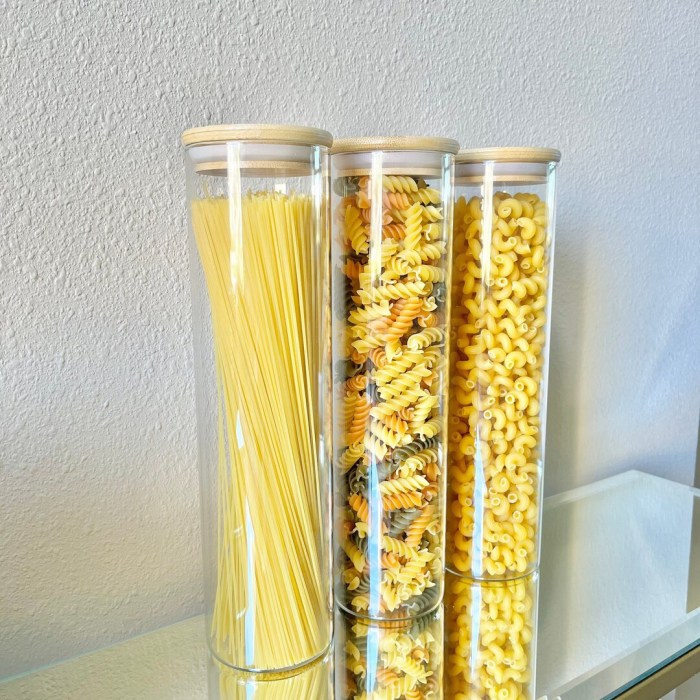
Traditional Japanese food storage jars, known for their aesthetic appeal and practical functionality, are undergoing a modern transformation. Designers and manufacturers are reimagining these time-honored vessels, incorporating contemporary materials and innovative applications. This evolution reflects a broader trend in design, where classic forms are reinterpreted for contemporary lifestyles.These revitalized jars are no longer solely confined to kitchens. Their versatility is expanding into diverse areas, demonstrating the enduring appeal of well-designed storage solutions.
The integration of modern materials and technologies is enhancing both the aesthetic and functional qualities of these jars, driving a renewed interest in these time-honored containers.
Modern Interpretations of Traditional Designs
Traditional designs are being reinterpreted with modern aesthetics. Sleek, minimalist lines are replacing ornate details, while contemporary color palettes offer a broader range of choices beyond the traditional earthen tones. These adjustments attract a younger demographic, who appreciate both the utility and the design aspect of the containers. For instance, transparent glass jars with clean lines are becoming increasingly popular, highlighting the contents while maintaining a modern aesthetic.
New Applications Beyond Food Storage
The versatility of these jars is expanding beyond traditional food storage. Their robust construction and airtight seals make them suitable for storing craft supplies, cosmetics, and even small decorative items. The adaptability of these containers is evident in their growing use in craft projects, where they serve as stylish organizers for beads, yarns, or other materials.
Integration of Modern Materials and Technologies
Modern materials are enhancing the jars’ durability and functionality. High-quality, heat-resistant glass, often with improved clarity, ensures longevity and maintains the attractiveness of the jars. The addition of airtight seals ensures optimal preservation of food and other stored items, a critical factor in maintaining quality. Some jars incorporate innovative features like built-in dividers to enhance organization. These innovations enhance the storage efficiency of the containers.
Evolution from Traditional to Contemporary
The evolution of these jars reflects a dynamic interplay between tradition and innovation. Contemporary designers are drawing inspiration from traditional Japanese aesthetics while incorporating modern materials and functionalities. The seamless integration of traditional design principles with contemporary materials ensures a product that is both beautiful and functional. The result is a modern interpretation of the traditional form, appealing to a broader audience.
For example, the incorporation of modern glass-making techniques into the creation of the jars results in products with superior clarity and durability, while maintaining the aesthetic of the original design.
Comparison with Other Food Storage Options
Japanese food storage jars, often crafted from high-quality glass, offer a compelling alternative to conventional plastic containers and other storage methods. Their enduring popularity stems from a combination of aesthetic appeal, practical benefits, and a commitment to food safety. This comparison assesses the advantages and disadvantages of these jars relative to other options, highlighting their unique benefits and sustainable attributes.
Glass Jar Advantages Over Other Materials
Glass jars, particularly those with airtight seals, stand out for their inherent food safety and preservation properties. Unlike plastic, glass doesn’t leach chemicals into food, ensuring the integrity of the product’s taste and nutritional value. This inherent safety feature is particularly important for preserving delicate ingredients or long-term storage. Furthermore, the transparency of glass allows for easy monitoring of food contents, preventing spoilage and ensuring freshness.
Comparing with Plastic Storage
Plastic containers, while inexpensive and readily available, pose significant risks to food safety. Certain plastics can leach harmful chemicals into food, potentially impacting health over time. Moreover, plastic’s permeability to certain odors and flavors can compromise the quality of stored ingredients. Glass, in contrast, provides a neutral environment, protecting food integrity and taste.
Durability and Longevity of Glass Jars
Glass jars exhibit remarkable durability, withstanding repeated use and rigorous cleaning cycles. Their longevity often surpasses that of plastic containers, minimizing waste and reducing the need for frequent replacements. Proper care and maintenance can significantly extend the lifespan of glass jars, making them a sustainable choice for long-term food storage. Moreover, many glass jars are designed with robust lids and seals that ensure a complete airtight environment, preserving food for extended periods.
Unique Benefits of Glass Jars
The unique properties of glass jars contribute to a variety of benefits, setting them apart from other storage options. Their inherent transparency provides visual confirmation of food freshness and condition, making them particularly valuable for tracking and managing inventory. The neutral environment of glass protects the nutritional value and taste of stored food, preserving the quality of ingredients for longer periods.
Storage and Preservation Methods
The airtight seals of high-quality glass jars are crucial for effective storage and preservation. Proper sealing techniques, including the use of appropriate lids and careful handling, are essential for maintaining freshness and preventing contamination. Glass’s inertness ensures that no chemical interaction with the stored food takes place. This inherent property makes them suitable for preserving a wide range of foods, including fruits, vegetables, and even some dry goods.
Sustainable Practices and Environmental Impact
Glass jars are often recyclable, contributing to a more sustainable approach to food storage. This recyclability reduces the environmental impact associated with plastic waste, a significant concern for the global ecosystem. The longevity of glass jars also minimizes the frequency of replacements, reducing the overall consumption of packaging materials.
Visual Representation (Illustrations)
Japanese food storage jars, a testament to centuries of culinary tradition, are visually compelling. Their diverse forms, materials, and decorative elements offer a rich visual narrative of Japanese aesthetics and practical application. Illustrations effectively showcase the range of these jars and their significance in Japanese food culture.Visual representations, whether photographs or illustrations, can powerfully convey the intricate details of these jars.
They can reveal the specific features that distinguish different styles, the delicate craftsmanship involved in their creation, and the diverse uses to which they are put. High-quality visual aids can significantly enhance the understanding of these essential household items.
Different Types of Japanese Food Storage Jars
A series of illustrations could display the wide variety of Japanese food storage jars, categorized by their form, material, and intended use. This visual presentation would showcase the evolution of design and the influence of regional variations. The illustrations could include examples of traditional, ceramic jars, alongside modern, glass variations, highlighting the transition from artisanal craftsmanship to mass production.
A visual guide showcasing the differences between the various types of jars would allow the reader to easily distinguish the characteristics of each. For instance, a cylindrical jar with a lid might be used for storing rice, while a squat, wide-mouthed jar might be for pickled vegetables.
Stages of Food Preservation
Illustrations demonstrating the stages of food preservation using these jars are crucial. A sequence of images could show the process, from preparing the food (such as vegetables or fish) to the final stage of storage in the jar. This visual representation can highlight the meticulous care and attention required for traditional food preservation methods, such as fermentation and drying, and how these jars are integral to preserving these techniques.
For example, a sequence of images could show a jar filled with freshly harvested vegetables, the jars being sealed and stored in a cool, dark place, and the jar later opened to reveal preserved vegetables.
Applications in Different Settings
Images illustrating the jars’ usage in various settings and situations can emphasize their practicality and cultural significance. Illustrations could showcase the jars in a traditional Japanese kitchen, highlighting their use in daily life. The images could also depict the jars being used in modern households, demonstrating their versatility in contemporary settings. The illustrations could also depict the jars in a restaurant, emphasizing their use in preparing and storing ingredients for various dishes.
Design Elements of the Jars
Visual representations of the jars’ design elements are essential. Images highlighting the intricate details of the jars, such as the lids, handles, and decorative motifs, would allow the reader to appreciate the artistic aspects of these items. The illustrations should capture the elegance and craftsmanship of these containers. For instance, illustrations could showcase the unique patterns or markings that are often found on the jars, showcasing their cultural significance.
A close-up image could focus on the intricate details of a lid or a particular design element, highlighting the beauty of craftsmanship.
Outcome Summary
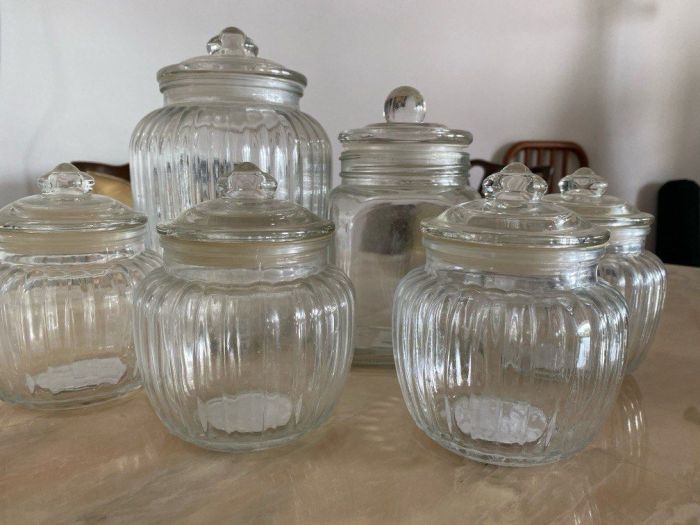
In conclusion, Japanese food storage jars represent a harmonious blend of tradition and innovation, offering a practical and aesthetically pleasing solution for food storage. Their enduring appeal, from historical significance to modern adaptations, underscores their unique place in both Japanese culture and contemporary kitchens. The meticulous craftsmanship, diverse styles, and effective preservation methods make these glass jars a valuable asset for food enthusiasts worldwide.
